If you already own a gravel bike, you have probably wondered how far you can stretch it. Maybe a multi-day bike-packing route is on your radar, or you want to start commuting without buying a second bike. The answer, in most cases, is that your gravel bike can handle far more than most people expect. Gravel bike versatility is genuinely one of the strongest selling points of the platform, and the more you understand the design choices behind it, the more clearly you can see what is possible and where the limits actually sit.
What Makes a Gravel Bike Naturally Adaptable
Gravel bikes were never designed to be the best at one thing. They were designed to be very good at many things, and that intent is built into every key design decision. The geometry sits between a road bike and a traditional touring bike, which means you get a riding position that is comfortable over long distances without sacrificing efficiency on faster surfaces. That middle-ground position is what makes gravel bike versatility a real and practical feature rather than just a marketing claim.
Frame Geometry and Its Role Across Riding Styles
The longer wheelbase and more relaxed head tube angle found on most gravel bikes produce stable handling at moderate speeds, which matters enormously when you are carrying weight or riding on unpredictable surfaces. A road bike’s aggressive geometry becomes uncomfortable quickly under a loaded setup. A gravel bike’s geometry, by contrast, stays manageable even when you add bags, a rack, or extra gear. The stack height tends to be higher, too, reducing strain on the neck and lower back during longer days in the saddle.
Tire Clearance, Mounts, and Component Flexibility
Most modern gravel bikes accept tires anywhere from 38mm to 50mm wide, sometimes wider depending on the frame. That range covers commuting on city streets, loaded touring on mixed surfaces, and technical bike-packing trails equally well. Beyond tire clearance, the presence of threaded bosses for fenders, racks, and frame bags on most gravel frames is what truly unlocks the platform’s range. Many models include three-bottle cage mounts, top tube bag attachment points, and low-rider rack mounts that simply do not exist on road or cyclocross bikes.
Gravel Bikes for Bike-packing
Bike-packing is arguably where gravel bike versatility shines most naturally. The combination of off-road capability, frame bag compatibility, and capable geometry makes a well-specced gravel bike a genuine alternative to a dedicated mountain bike for most bike-packing routes outside of highly technical single-track. The bike does not need to be perfect on every surface. It needs to be good enough across all of them, and that is precisely what gravel bikes deliver.
Bag Systems That Work With Gravel Geometry
Bike-packing bags attach to the frame rather than to racks, which keeps the weight low and centered without requiring any mounting hardware. Most gravel frames accept a full suite of bike-packing bags, including a frame bag in the main triangle, a top tube bag, a handlebar roll, and a saddlebag. The geometry of a gravel bike, particularly the longer top tube and slightly higher bottom bracket, works well with these bag shapes and tends to produce a balanced weight distribution once everything is loaded. This setup is one of the clearest expressions of gravel bike versatility in practice.
Terrain Capability and Weight Management
On bike-packing routes that mix gravel roads, forest tracks, and occasional pavement, a gravel bike handles the majority of terrain without requiring you to walk sections or fight the bike. Running a 40mm to 47mm tire with a lower air pressure gives you traction and comfort on loose surfaces while still rolling efficiently on packed gravel and tarmac. Weight management matters more on a gravel setup than on a mountain bike because the frame is lighter and the handling changes more noticeably as the load increases. Keeping the total packed weight below fifteen to eighteen kilograms produces noticeably better handling and a more enjoyable ride.
Gravel Bikes for Daily Commuting
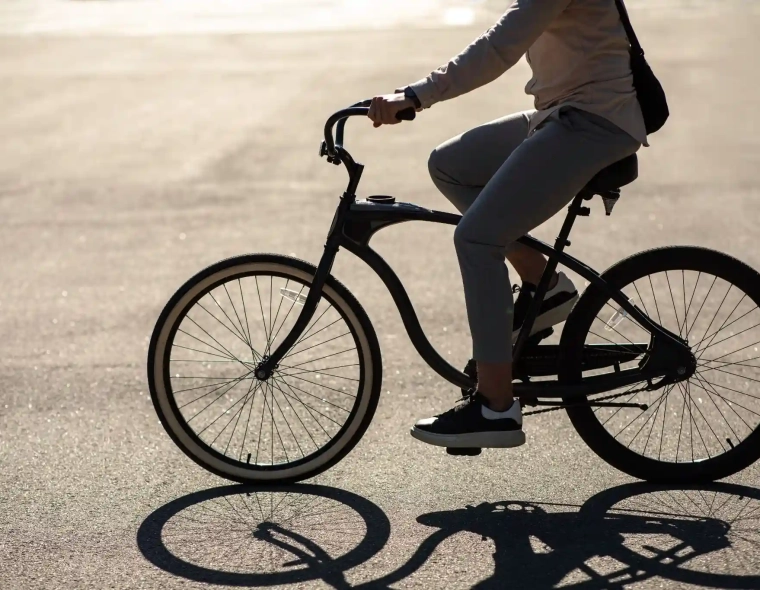
For commuting, gravel bike versatility translates into a bike that handles potholes, light trails, wet roads, and loaded panniers without complaint. Many commuters who switch from a road bike to a gravel setup find that the ride quality improvement alone justifies the change, even before accounting for the added utility.
Fender and Rack Compatibility
Most gravel frames include fender eyelets, which means you can fit full-coverage mudguards for year-round commuting. This is a practical necessity that road bikes and many performance-focused bikes simply cannot accommodate. A rear rack opens up the option for panniers or a trunk bag, which gives you genuine carrying capacity without strapping things to your back. The combination of fenders and a rack turns a gravel bike into a capable all-weather commuter that performs well regardless of season.
Drivetrain and Maintenance Considerations for Urban Use
Commuting puts different demands on a drivetrain than weekend riding does. Stop-and-start traffic, wet conditions, and daily mileage accumulate quickly. Most gravel bikes come equipped with either a one-by or two-by drivetrain, both of which are serviceable in urban contexts. If you are commuting in a hilly area, a two-by setup with a compact chainring gives you more range at the low end. A quality chain lubricant designed for wet conditions and regular cassette cleaning goes a long way toward keeping maintenance intervals reasonable under daily use.
Gravel Bikes for Loaded Touring
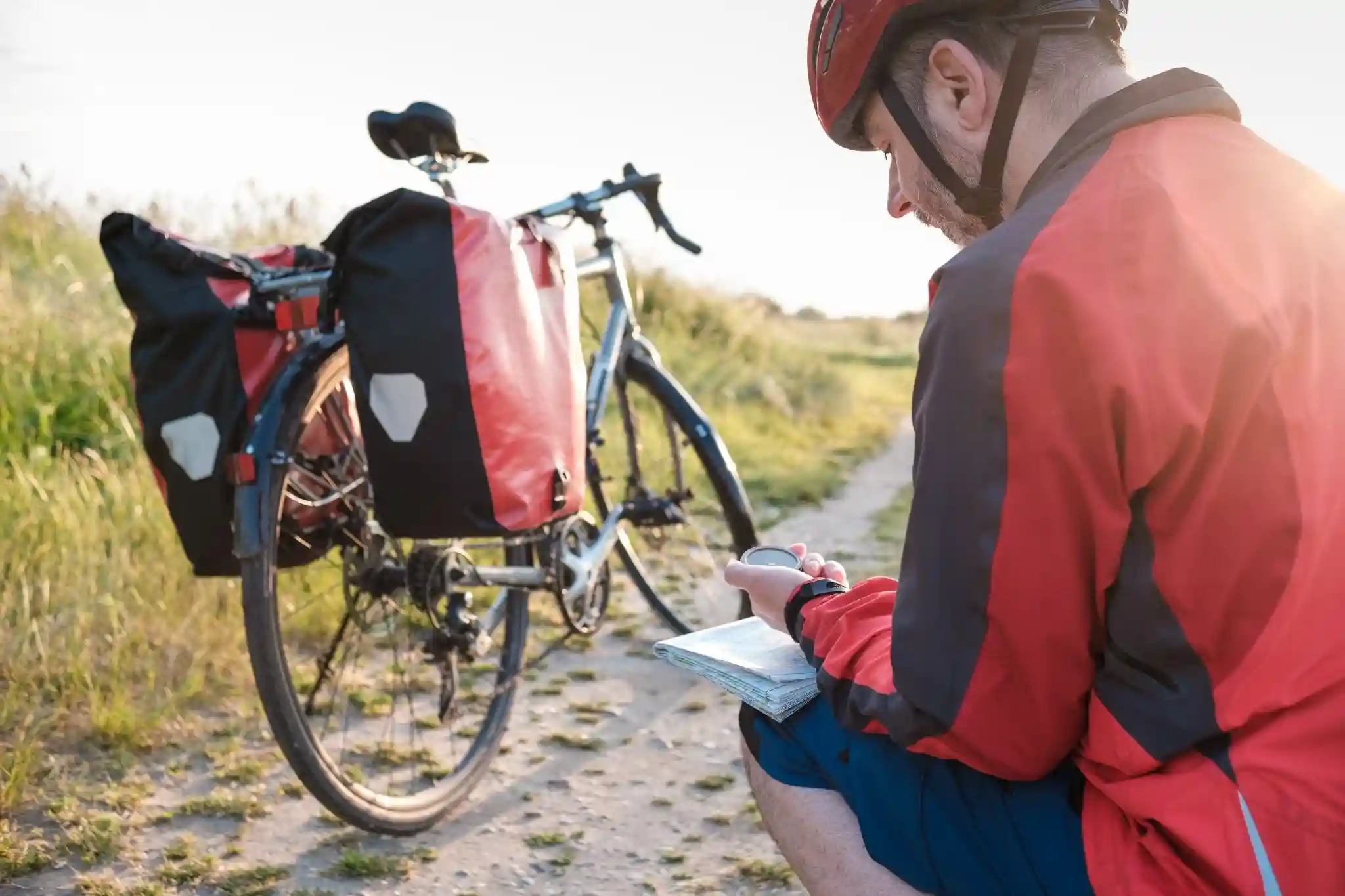
Long-distance touring on a gravel bike is entirely feasible, though it requires a more considered approach than bikepacking or commuting. The core question is how much weight you plan to carry and how that interacts with the bike’s geometry and component spec. Gravel bike versatility holds up well for light to moderate touring loads, and many cyclists complete multi-week tours on gravel bikes without issue.
How Gravel Compares to Traditional Touring Bikes
Traditional touring bikes are heavier, more upright, and designed around rack-and-pannier systems with substantial load capacity. They handle better under heavy loads, particularly at low speeds on mixed terrain, and their geometry is optimized for comfort over weeks rather than days. A gravel bike gives up some of that high-load stability in exchange for lighter weight, more responsive handling, and better performance on varied terrain. For most touring scenarios, that tradeoff is worth it. For very long tours with heavy gear, a dedicated touring bike remains the more appropriate tool.
Load Limits and Handling at Weight
Most gravel bikes are rated for rider plus gear weights in the range of 120 to 140 kilograms total. If you are touring with rear panniers, a handlebar bag, and frame bags, you need to check your specific frame’s load rating and factor your own body weight into the calculation. Handling changes noticeably once total load exceeds ten to twelve kilograms of gear, particularly in corners and on descents. Slowing down your pace slightly and running a slightly higher tire pressure than you would unloaded helps the bike track more predictably under load.
Where Gravel Bikes Fall Short
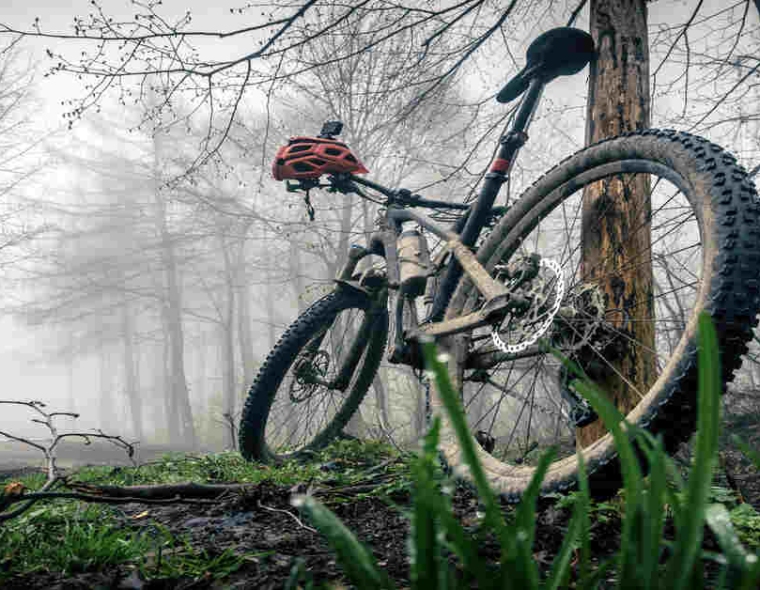
Despite their adaptability, gravel bikes do have genuine limits. On highly technical mountain bike trails with steep drops, large rocks, and demanding technical features, the geometry and tire clearance of a gravel bike become limiting factors. The suspension of a hardtail or full-suspension mountain bike absorbs impacts that a rigid gravel fork simply transmits to your hands and body. For serious backcountry bike-packing on technical single-track, a gravel bike will slow you down and increase fatigue compared to a more capable mountain platform.
For very long, heavily loaded tours on rough roads, the flex and load capacity of a touring bike’s steel frame and higher-spoke-count wheels provide a more durable and stable platform than most gravel bikes offer. Gravel bike versatility is genuine, but it is not unlimited, and being honest about those edges helps you make better decisions about when to use it and when a different bike is genuinely the better choice.
Choosing the Right Gravel Bike if Multi-Use Is the Goal
If you are buying a gravel bike specifically because you want to use it across multiple contexts, prioritize frame mounts, tire clearance, and geometry over weight savings and racing-oriented components. A bike with three water bottle mounts, rear rack eyelets, fender mounts, and 47mm or wider tire clearance gives you the most flexibility. Brands like Salsa, All-City, Cannondale, and Trek all offer models at various price points that are specifically designed with multi-use riding in mind.
Steel and titanium frames tend to be more comfortable over long distances and more forgiving under load than aluminum. Carbon gravel frames are lighter and faster but are more expensive to repair if damaged on a remote trail. For riders prioritizing gravel bike versatility over outright performance, a steel or aluminum frame with a carbon fork is often the most practical combination.
Conclusion
A gravel bike is one of the most genuinely versatile platforms available in cycling today. It handles bike-packing routes with competence, commutes with reliability, and carries touring loads with comfort up to a reasonable weight. Understanding where the bike’s strengths lie and where its limits are helps you get more out of the platform without asking it to be something it was not designed to be. Whether you are planning your first overnight bike-packing trip or looking for a single bike that covers everything from wet commutes to weekend adventures, gravel bike versatility makes that kind of range genuinely achievable without compromise.