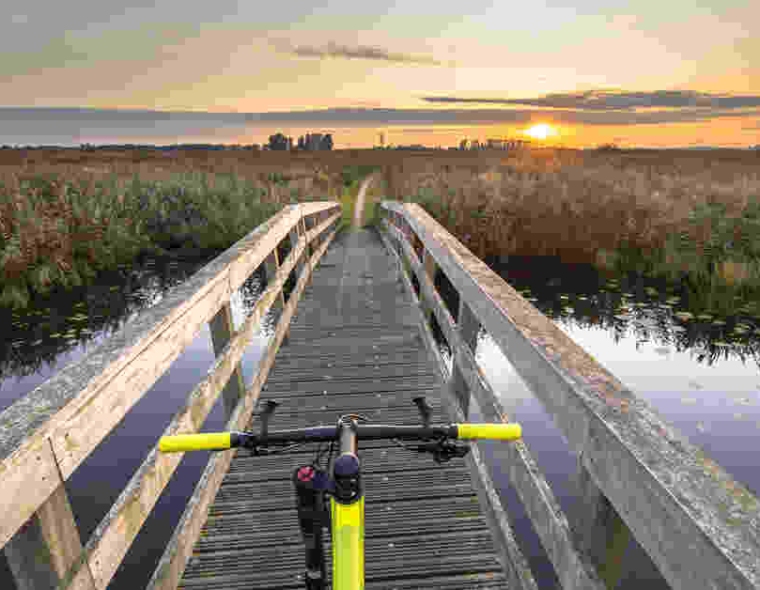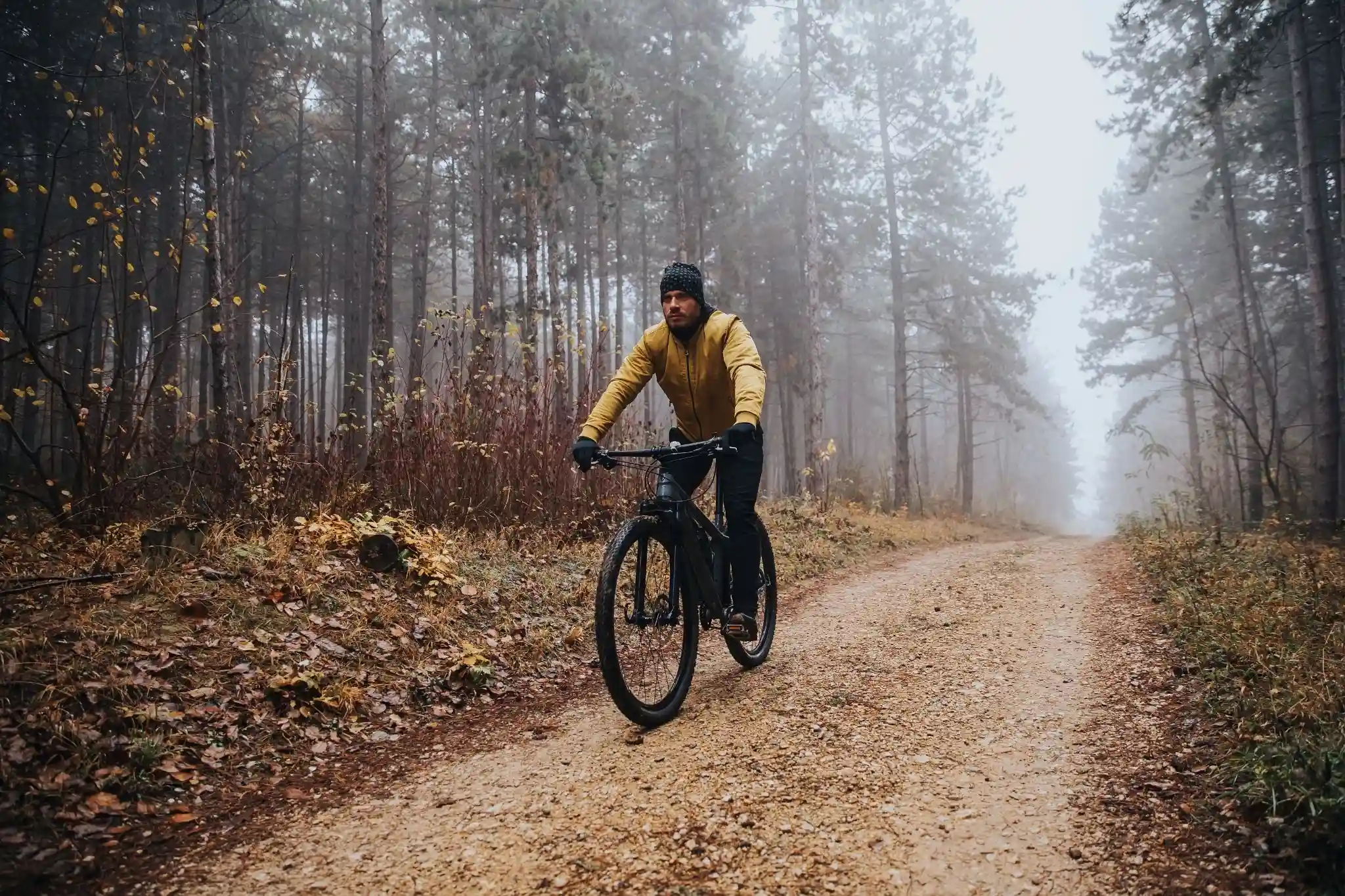
Gravel riding is all about variety. One ride can include smooth roads, loose gravel, and rough trails. Because of this, choosing the right setup becomes very important. Riders who already understand the basics often look for ways to improve comfort and performance. This is where gravel bike tire size plays a key role. The right choice can make rides smoother, faster, and more enjoyable. It is not about following trends, but about finding what works best for your style and terrain. Many experienced riders adjust their setup over time as they explore new routes and face different conditions. This process helps them understand how small changes can make a big difference in overall ride quality and control.
Why tire size matters more on gravel than road
Gravel surfaces change constantly. You might start on a smooth path and end up on loose stones or dirt. This makes tire choice more important than on road bikes. A well chosen gravel bike tire size improves grip and stability. It also helps reduce fatigue during longer rides. Narrow tires may feel fast, but they struggle on rough ground. Wider tires provide more control, which builds confidence and keeps the ride comfortable. Over longer distances, the right tire size can reduce strain on the body and help riders maintain better posture and balance throughout the ride.
Understanding common gravel tire width ranges
Narrow setups for speed focused riders
Some riders prefer speed over comfort. Tires in the 35mm to 38mm range are often used for this purpose. They roll quickly on firm surfaces and perform well on light gravel. However, they do not absorb shocks as well. This means riders may feel more vibration on rough sections, which can become tiring over time. This setup suits riders who mostly ride on smoother routes and only occasionally encounter rough patches.
Mid range widths for balanced performance
Mid range tires between 40mm and 45mm are very popular. They offer a balance between speed and comfort. This gravel bike tire size works well on mixed terrain, which is common in gravel riding. Riders get enough cushioning without losing too much efficiency. This makes them a reliable choice for most conditions. Many experienced riders stick with this range because it offers flexibility across different ride types without requiring frequent changes.
Wide tires for rough and technical terrain
Wider tires above 45mm are designed for rough terrain. They provide better grip and absorb shocks more effectively. This makes them ideal for rocky trails and loose gravel. Riders who go on longer or more technical routes often prefer this setup. It reduces strain and improves overall control. Wider tires also allow riders to feel more confident when descending on unstable surfaces where traction is critical.
Wheel size options and their real impact
700c wheels for distance and efficiency
700c wheels are the standard choice for many gravel bikes. They maintain speed well and perform efficiently over long distances. When paired with the right gravel bike tire size, they offer a smooth riding experience on mixed surfaces. They are especially useful for riders who include road sections in their routes. This setup also helps maintain momentum, which is useful on long endurance rides where energy conservation matters.
650b wheels for control and comfort
650b wheels allow the use of wider tires without changing the bike frame size. This setup improves comfort and control. It works well for riders who focus on rough terrain. The smaller wheel size also improves handling, making it easier to manage technical sections. Riders often choose this setup when they expect challenging conditions where precision and stability are more important than speed.
Matching tire size with terrain conditions
Hard packed gravel and mixed roads
On smoother surfaces, slightly narrower tires perform well. They reduce rolling resistance and help maintain speed. Riders who spend more time on compact gravel may prefer this setup. It keeps the ride efficient without sacrificing too much comfort. Choosing the correct gravel bike tire size here ensures a smoother and more responsive ride feel.
Loose gravel and off road trails
Loose surfaces require more grip. Wider tires are better suited for these conditions. They provide more contact with the ground and improve stability. Choosing the right gravel bike tire size for these terrains helps riders stay in control and ride with confidence. It also reduces the chances of slipping or losing traction on uneven paths.
The role of tire pressure in performance
Lower pressure for grip and comfort
Lower pressure allows the tire to absorb shocks and improve traction. This is helpful on uneven surfaces. Riders feel less impact, which makes long rides more comfortable. It also improves control on difficult terrain. Fine tuning pressure based on conditions can greatly improve the ride experience.
Higher pressure for speed and efficiency
Higher pressure reduces resistance and improves speed. It works best on smoother surfaces. However, it can make the ride harsher on rough terrain. Finding the right balance is important for overall performance. Many riders adjust pressure before each ride depending on the route.
Tubeless vs tube setups for gravel riding
Benefits of tubeless systems
Tubeless setups are becoming more common. They reduce the chance of punctures and allow lower pressure. This improves both comfort and grip. Many riders find this setup more reliable for long gravel rides. It also reduces the need for frequent repairs during rides.
When tubes still make sense
Some riders prefer traditional tubes for simplicity. They are easier to repair and maintain. For shorter or less demanding rides, tubes can still be a practical option. Riders who value ease of maintenance often stick with this setup.
Rim width compatibility and tire performance
Internal rim width and tire shape
Rim width affects how the tire sits and performs. Wider rims support wider tires better. This improves stability and handling. Matching rim width with gravel bike tire size is important for best results. A proper match ensures better performance and safety.
Avoiding mismatch between tire and rim
Using the wrong combination can affect performance. It may reduce grip or cause handling issues. Choosing compatible components ensures a smoother and safer ride. This also helps extend the lifespan of both tires and rims.
Weight considerations in wheel and tire choice
Impact on climbing and acceleration
Lighter setups improve climbing and make acceleration easier. Riders who focus on speed often prefer lighter options. However, they may not perform as well on rough terrain. Finding the right balance is key.
Balancing durability and performance
Heavier setups are more durable. They handle rough conditions better and last longer. Finding the right balance between weight and strength is key for a reliable setup. Riders should choose based on their riding priorities.
Common mistakes riders make when choosing tire size
Going too narrow for mixed terrain
Many riders choose narrow tires for speed but struggle on rough sections. This reduces comfort and control. It often leads to a less enjoyable ride overall. Understanding terrain needs helps avoid this mistake.
Ignoring terrain specific needs
Not all gravel routes are the same. Choosing a tire without considering terrain can lead to poor performance. It is important to match the setup with actual riding conditions. This ensures a better riding experience.
Expert tips for dialing in your setup
Testing different tire widths
Trying different options is the best way to find what works. Small changes in gravel bike tire size can have a big impact. Testing helps riders understand their preferences. Over time, this leads to a more refined setup.
Adjusting setup based on ride feedback
Pay attention to how the bike feels during rides. Comfort, grip, and speed all matter. Use this feedback to make small adjustments over time. This approach leads to better long term results.
Conclusion
Choosing the right setup takes time and experience. Gravel bike tire size plays a major role in how the bike feels and performs. By understanding terrain and personal needs, riders can create a setup that works well in all conditions. The goal is to find balance, not perfection. Small adjustments over time can lead to noticeable improvements, making each ride more comfortable, controlled, and enjoyable.