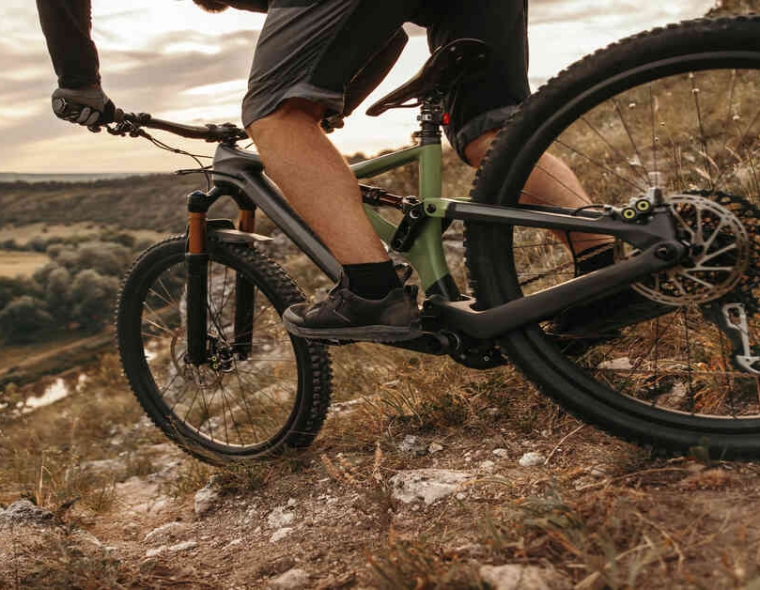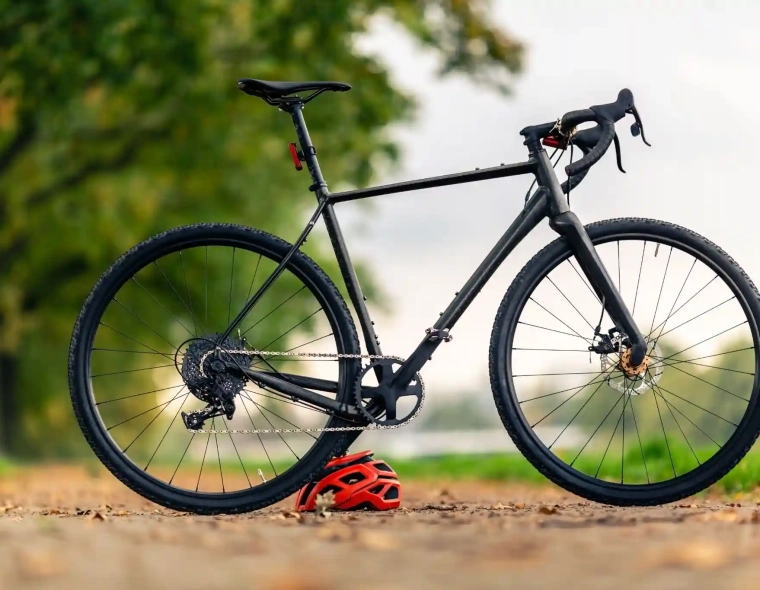
The cycling world has expanded far beyond traditional categories like road and mountain biking. One of the most talked-about innovations in recent years is the gravel bike. It is designed for riders who do not want to be limited by terrain. Instead of choosing between speed on pavement or control on trails, gravel bikes aim to deliver both in one package. This versatility has made them one of the fastest-growing choices in modern cycling. But the real question remains: is a gravel bike worth buying for beginners and experienced cyclists? The answer depends on riding style, expectations, and how much flexibility a rider wants from a single bike.
What Makes a Gravel Bike Different From Other Bikes?
A gravel bike is built to handle mixed terrain, which is what makes it different from road and mountain bikes. Road bikes focus on speed and efficiency on smooth surfaces, while mountain bikes prioritize control and durability on rough trails. Gravel bikes sit in between these two extremes. They combine stability, comfort, and adaptability, allowing riders to move between paved roads, dirt paths, and light off-road trails without changing bikes. This flexibility is the main reason gravel cycling has gained so much attention. Riders are no longer restricted to one type of terrain, which opens up more freedom in route planning and exploration.
Key Features That Define a Gravel Bike Experience
The design of a gravel bike is focused on versatility rather than specialization. Frame geometry is slightly more relaxed compared to road bikes, which creates a more upright and comfortable riding position. This helps reduce strain during long rides and improves control on uneven surfaces. Tire width is another defining feature. Gravel bikes use wider tires than road bikes, offering better grip on loose surfaces while still maintaining decent speed on pavement. These tires are often designed for durability and puncture resistance. Gear systems also play an important role. Gravel bikes typically offer a wide range of gears, making it easier to handle both steep climbs and fast flat sections without needing to switch equipment.
Why Beginners Are Increasingly Choosing Gravel Bikes
For beginners, a gravel bike offers a smooth entry into cycling without forcing early specialization. One of the biggest advantages is comfort. The riding position is less aggressive than a road bike, which makes it easier for new riders to stay relaxed and confident. Another benefit is adaptability. Beginners do not need to worry about perfect road conditions, as gravel bikes can handle potholes, gravel paths, and uneven terrain with ease. This reduces anxiety and increases riding enjoyment. A gravel bike also removes the need to invest in multiple bikes. Instead of buying separate road and off-road bikes, beginners can start with one versatile option that covers commuting, fitness riding, and recreational exploration.
How Experienced Cyclists Benefit From Gravel Bikes
Experienced cyclists often already own specialized bikes, but gravel bikes still add value to their riding experience. One major benefit is endurance training. The comfortable geometry and stability make long-distance rides more enjoyable and less physically demanding. Gravel bikes also allow riders to explore mixed terrain without changing equipment, which is ideal for training variety. Another advantage is adventure cycling. Many experienced riders use gravel bikes for bikepacking, where they travel long distances with gear over multiple days. The ability to handle both roads and trails makes gravel bikes perfect for exploration-based cycling.
Real-World Use Cases of Gravel Bikes
In real-world conditions, a gravel bike proves its versatility across multiple scenarios. Many riders use it for commuting, especially in cities where road conditions are not always smooth. It handles potholes, rough patches, and mixed surfaces better than a road bike. Weekend trail riding is another common use, where riders explore dirt paths and countryside routes without needing a mountain bike. Long-distance touring is also popular because gravel bikes can carry gear and maintain comfort over extended rides. This flexibility is what makes the gravel bike a practical choice for a wide range of cyclists.
Cost vs Value: Is a Gravel Bike a Smart Investment?
Gravel bikes come in different price ranges, from budget-friendly entry models to high-end performance versions. Entry-level gravel bikes offer excellent value for beginners because they provide access to multiple terrains without high investment. Mid-range and premium models offer lighter frames and better components, improving performance and comfort. Maintenance costs are generally similar to road bikes, although rough terrain may increase wear over time. However, the overall value is strong because a single gravel bike can replace multiple specialized bikes. For many riders, this makes it a cost-effective long-term investment.
Challenges and Limitations of Gravel Bikes
Despite their versatility, gravel bikes are not perfect for every situation. They are not ideal for extreme mountain biking or highly technical downhill trails, where dedicated mountain bikes perform better. Another limitation is speed. On smooth roads, gravel bikes are slower than road bikes due to wider tires and more durable construction. Beginners may also face a slight learning curve when riding on loose or uneven surfaces, as handling differs from standard road cycling. These limitations are important to consider before purchasing a gravel bike.
How to Choose the Right Gravel Bike for Your Needs
Choosing the right gravel bike depends on riding goals and personal preferences. Frame material is a key factor. Aluminum frames are affordable and durable, making them ideal for beginners. Carbon frames are lighter and more performance-focused, while steel frames offer comfort and long-term durability. Fit is equally important, as an incorrectly sized bike can affect comfort and efficiency. Test rides are highly recommended to understand how the bike handles different surfaces. Riders should also consider their primary use, whether it is commuting, touring, or fitness riding, before making a decision.
Future of Gravel Bikes in Cycling Trends
The popularity of gravel bikes continues to grow as cycling culture shifts toward adventure and flexibility. More riders are looking for bikes that can handle multiple environments instead of specializing in one. Manufacturers are responding with lighter frames, improved tire technology, and better gear systems. Gravel racing events are also expanding globally, adding a competitive aspect to this category. As cycling becomes more experience-driven, the gravel bike is expected to play an even larger role in the future of the industry.
Conclusion
A gravel bike is one of the most versatile options available in modern cycling. It may not be the fastest on roads or the most aggressive on trails, but it performs consistently across a wide range of conditions. For beginners, it offers comfort, confidence, and simplicity. For experienced cyclists, it provides freedom, endurance capability, and adventure potential. If you want a single bike that can handle commuting, fitness riding, and exploration without restrictions, a gravel bike is absolutely worth considering. Its true value lies in flexibility, making it a smart choice for riders who prioritize freedom over specialization.