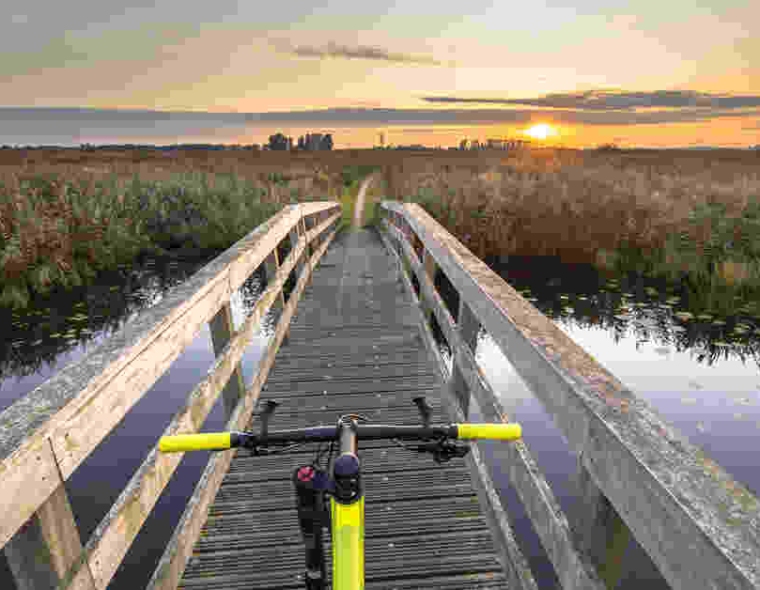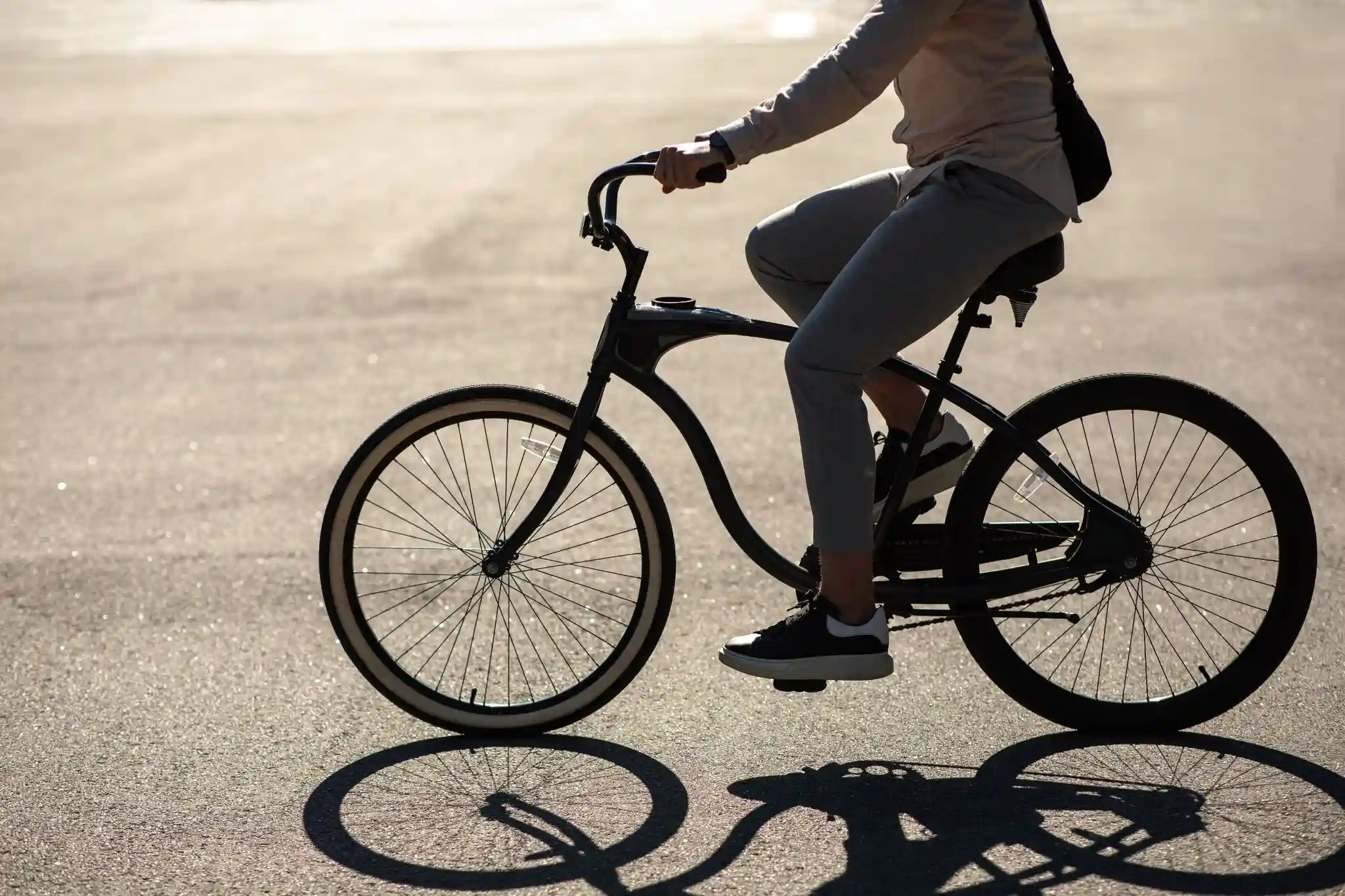
There is something quietly transformative about the first time you ride a bike as an adult with real intention. Not as a child borrowing someone’s bicycle on a summer afternoon, but as a person who has chosen cycling deliberately, who has shown up with a helmet and a plan and a genuine desire to make this a part of their life. The world looks different from a bicycle. The pace is right for noticing things. The physical effort is honest and immediate. And the freedom, the particular freedom of moving through space under your own power, is something that no other form of exercise or transportation quite replicates. Beginner cycling is not just about learning to balance on two wheels. For most adults who come to it, they already know how to balance. It is about learning how to ride well, how to ride safely, how to choose the right equipment, how to build fitness gradually without injuring yourself, and how to navigate roads and trails with the confidence and awareness that make cycling genuinely enjoyable rather than quietly terrifying. This guide is about all of that, written for anyone who has been thinking about starting cycling and wants to do it right from the beginning.
What Beginner Cycling Actually Involves
Beginner cycling as a deliberate practice is different from casual occasional bike riding in ways that matter for both safety and long-term enjoyment. Understanding what you are actually signing up for when you decide to take cycling seriously helps set appropriate expectations and helps you make better decisions about equipment, training, and approach from the very start.
At its most fundamental level, beginner cycling involves developing three distinct skill sets simultaneously. The first is physical fitness, specifically the cardiovascular endurance, leg strength, and muscular endurance that allow you to sustain cycling effort over meaningful distances and durations. The second is technical skill, the ability to handle your bicycle confidently in a variety of conditions including cornering, braking, climbing, descending, and navigating traffic or trail obstacles. The third is tactical awareness, the knowledge of how to ride safely in different environments, how to interact with traffic, how to read road or trail surfaces, and how to manage your energy across a ride of varying terrain and duration.
Most beginner cyclists focus almost exclusively on the fitness dimension and neglect the technical and tactical dimensions, which is one of the primary reasons that beginner cycling experiences so often produce anxiety, near-misses, and discouragement rather than the confidence and enjoyment that make cycling a sustainable long-term practice. A rider who is physically capable of completing a twenty-mile ride but lacks the technical skill to corner confidently or the tactical awareness to navigate a busy intersection safely is not ready for that ride regardless of their fitness level. Building all three dimensions together, deliberately and progressively, is the foundation of a genuinely successful beginner cycling experience.
The emotional dimension of beginner cycling is also worth acknowledging explicitly, because it shapes the experience in ways that practical guides rarely address. Many adult beginner cyclists carry anxiety about looking incompetent, about falling, about being overtaken by more experienced riders, or about navigating traffic situations they do not feel equipped to handle. This anxiety is entirely normal and entirely manageable, but managing it requires acknowledging it rather than simply pushing through it. The strategies described throughout this guide are designed not just to develop technical and physical capability but to build the genuine confidence that comes from knowing you are well-prepared for the situations you are likely to encounter.
The Different Types of Cycling Available to Beginners
One of the first decisions a beginner cyclist needs to make is what kind of cycling they actually want to do, because different cycling disciplines make different demands on equipment, fitness, technical skill, and tactical awareness. Understanding the options clearly before you invest in equipment helps ensure that what you buy serves the riding you actually want to do rather than a theoretical version of cycling that does not match your real circumstances and preferences.
Road cycling, which involves riding on paved surfaces including public roads, bike paths, and dedicated cycling infrastructure, is the most accessible entry point for most urban and suburban beginner cyclists. It requires the least specialized terrain and the most straightforward equipment choices, and it integrates most naturally with practical transportation needs like commuting and errand-running. Road cycling does, however, require the most developed tactical awareness of traffic situations, and the risks associated with riding among motorized vehicles make the development of road cycling skills and awareness particularly important.
Mountain biking, which involves riding on unpaved trails and off-road terrain, demands significantly more developed technical bike handling skills but offers a different relationship with the riding environment that many beginners find more appealing than road cycling. The absence of motor traffic on most mountain bike trails removes one of the primary anxiety sources for beginner road cyclists, and the slower speeds typical of technical mountain bike terrain are somewhat forgiving of beginner mistakes. The physical demands of mountain biking are also different from road cycling, with a greater emphasis on upper body strength and bike handling technique relative to raw cardiovascular endurance.
Choosing Your First Bike Without Making Expensive Mistakes
Bicycle selection is the decision that most beginner cyclists agonize over most, and with good reason. A bicycle is a significant investment, the range of options is genuinely bewildering to someone without experience, and the wrong choice can produce a riding experience that is uncomfortable, inefficient, or technically mismatched with the terrain and style of riding you actually want to do. Getting this decision right from the beginning saves money, frustration, and the significant inconvenience of having to replace equipment before you have had time to develop genuine preferences.
The most important principle in selecting a first bike is to match the bike to the riding you will actually do rather than the riding you imagine doing in an aspirational best-case scenario. A beginner cyclist who lives in a flat urban environment and plans to use their bicycle primarily for commuting and weekend recreational rides on paved paths needs a completely different machine than one who lives near mountain bike trails and wants to spend their weekends on technical singletrack. Being honest about your actual circumstances and actual intentions, rather than buying for the most adventurous version of your cycling future, produces better first bike decisions almost every time.
Understanding Bike Fit and Why It Changes Everything
Bike fit is the single most important factor determining whether cycling is comfortable and enjoyable or uncomfortable and discouraging, and it is also the factor that receives the least attention in most beginner cycling guidance. An improperly fitted bicycle does not just cause discomfort. It causes the kind of persistent, progressive discomfort that makes the whole activity feel like punishment and that produces the overuse injuries, particularly to the knees, lower back, and neck, that are the most common reasons beginner cyclists give up.
Proper bike fit involves adjusting the saddle height, saddle fore-aft position, handlebar height, and reach to create a riding position that distributes your weight appropriately across the three contact points of hands, seat, and feet, that allows your legs to pedal through a full range of motion without locking out at the bottom of the stroke or reaching excessively at the top, and that positions your spine in a neutral curve that can be sustained for the duration of your intended rides without producing muscular fatigue or spinal compression.
Saddle height is the most critical single adjustment and the most commonly wrong on beginner bikes. When the saddle is correctly set, your leg should have a slight bend at the knee at the bottom of the pedal stroke, approximately twenty-five to thirty-five degrees of knee flexion when measured by a fitting specialist. Most beginner cyclists instinctively set their saddles too low because a lower saddle allows them to put their feet flat on the ground for security, but this position produces significant mechanical disadvantage in the pedaling stroke and dramatically increases the risk of knee pain. Learning to accept a higher saddle position and to handle stops by tilting the bike rather than lowering yourself to the ground is one of the most important beginner cycling adjustments you can make.
Most reputable local bike shops offer basic fitting services either as part of the bike purchase or for a modest additional fee, and taking advantage of this service when purchasing your first bike is one of the highest-value investments a beginner cyclist can make. A professional fit on a new bike takes thirty to sixty minutes and can prevent months of avoidable discomfort and potential injury.
Essential Equipment Beyond the Bicycle
Beyond the bicycle itself, beginner cycling requires a small set of genuinely essential equipment and a much larger set of optional equipment that can be acquired gradually as you develop your practice and clarify your preferences. Being clear about the distinction between essential and optional helps avoid the common beginner mistake of spending heavily on peripheral equipment before establishing whether cycling is genuinely going to be a sustained practice.
A properly fitted helmet is the only piece of cycling equipment that should be considered non-negotiable. Head injuries account for the majority of serious cycling fatalities, and a helmet that fits correctly and meets current safety standards, either CPSC in the United States or EN 1078 in Europe, reduces the risk of serious head injury in a crash by a factor that no other safety measure can approach. The fit of a cycling helmet matters as much as its certification. A helmet should sit level on your head, covering the forehead to approximately two finger-widths above the eyebrows, with the side straps forming a V-shape just below each ear and the chinstrap snug enough that you can fit only one or two fingers beneath it. A helmet that moves when you shake your head is not fitted correctly and is significantly less protective than one that is properly adjusted.
Building Fitness Safely as a Beginner Cyclist
The approach to building cycling fitness that produces the best long-term outcomes for beginner cyclists is consistently different from the approach that most beginners instinctively take. The instinctive approach is to push as hard as you can as often as you can, operating on the reasonable-sounding assumption that more effort produces faster improvement. The evidence-based approach is to build volume and intensity progressively over a period of weeks and months, maintaining most of your training at a moderate intensity that allows recovery and adaptation rather than accumulating the fatigue that leads to stagnation and injury.
The ten percent rule, which recommends increasing your weekly cycling volume by no more than ten percent from one week to the next, is a practical guideline that captures the essence of progressive overload as it applies to beginner cycling. It sounds conservative, and it is, but the physiological reality it reflects is genuine. Your cardiovascular system adapts to training stress faster than your muscular, skeletal, and connective tissue systems, which means that a beginner cyclist can feel cardiovascularly capable of riding much more than their tendons, ligaments, and joint cartilage are ready to handle. The injuries that result from outpacing your structural adaptation, particularly patellar tendinopathy, iliotibial band syndrome, and lower back strain, are slow to heal and can set a beginner cyclist back by weeks or months.
Developing Efficient Pedaling Technique
Pedaling technique is a dimension of beginner cycling that receives surprisingly little attention in general guidance but that has a significant impact on both efficiency and injury risk. Most beginner cyclists pedal at a cadence that is too low, pushing big gears at fifty to sixty revolutions per minute rather than spinning lighter gears at a cadence of eighty to one hundred revolutions per minute. Low-cadence, high-force pedaling places significantly more stress on the knee joints and increases the risk of overuse injury, while high-cadence pedaling distributes the cardiovascular demand more evenly and reduces the mechanical stress on vulnerable joint structures.
Road Safety and Traffic Navigation for Beginner Cyclists
Road safety is the dimension of beginner cycling that generates the most anxiety for new riders, and addressing it thoroughly and honestly is more useful than either minimizing the risks or amplifying them beyond their actual magnitude. Cycling on public roads involves real risks that cannot be entirely eliminated, but those risks can be managed very effectively through awareness, positioning, and behavior that experienced cyclists develop as second nature and that beginner cyclists can learn deliberately.
The most important concept in road cycling safety is road positioning, which refers to where on the road you ride relative to the edge, parked cars, junctions, and other road users. Many beginner cyclists instinctively ride as close to the left edge of the road as possible, believing that this is the safest position because it maximizes the space available for overtaking vehicles. This belief is incorrect and actually increases risk in several important ways. Riding too close to the edge exposes you to road debris, drainage grates, and rough surfaces that can cause loss of control. It invites close and dangerous overtaking by motorists who would give more space to a cyclist positioned more assertively in the lane. And it positions you in the blind spot of drivers turning left from side roads.
Understanding Traffic and Junction Management
Junctions represent the highest-risk locations for urban cyclists, and developing a systematic approach to navigating them is one of the most important safety skills in beginner cycling. The majority of serious cycling accidents in urban environments occur at junctions, and most of them involve a motorist failing to give way to a cyclist who had right of way, usually because the motorist did not see the cyclist before making their turning movement.
The safest approach to junction navigation combines maximum visibility with anticipatory riding that prepares for the worst plausible outcome rather than assuming the best. Making eye contact with drivers whose vehicles might conflict with your path of travel is the most reliable way to confirm that you have been seen and that the driver intends to give way. Positioning yourself clearly in the traffic lane rather than at the edge makes you more visible and less likely to be overlooked. Reducing speed on approach to any junction where you cannot see clearly into the conflicting traffic streams gives you the time and space to respond to any vehicle that does not give way as expected. And never assuming that a large vehicle can see you, particularly trucks and buses whose blind spots can extend several meters to the side and rear, is a principle that experienced cyclists internalize completely and that beginner cyclists need to learn deliberately.
Nutrition and Hydration for Beginner Cyclists
Nutrition and hydration are aspects of cycling performance that beginner cyclists often overlook until they experience their first bout of severe fatigue or cramping mid-ride, an experience that the cycling community refers to colloquially as bonking or hitting the wall. Understanding the nutritional demands of cycling before these experiences occur allows you to prevent them rather than recover from them, which is both more pleasant and more conducive to the consistent training that produces fitness improvement.
Cycling is a predominantly aerobic activity that burns a combination of carbohydrates and fat as fuel, with the ratio shifting toward greater fat utilization as intensity decreases and duration increases. For beginner cyclists riding at moderate intensities for up to ninety minutes, the body’s glycogen stores are typically sufficient to fuel the effort without mid-ride fueling, provided that you began the ride in a fed state. For rides exceeding ninety minutes, or for any ride conducted at high intensity regardless of duration, consuming additional carbohydrate during the ride is necessary to maintain both performance and comfort.
Final Thought
Beginner cycling is genuinely one of the most rewarding physical practices an adult can take up, not because it is easy, but because the return on investment of patience, consistent effort, and deliberate skill development is so remarkable. The person who begins with ten-mile rides on quiet paths and builds progressively over a year of consistent riding can find themselves completing distances and navigating environments that would have seemed genuinely impossible at the start, and the confidence that comes from that progression extends beyond cycling into every area of physical self-belief. Every experienced cyclist you see gliding confidently through traffic or spinning easily up a hill you find daunting was once exactly where you are now. They got from there to here through the same process that is available to you: showing up regularly, building progressively, staying patient through the learning curve, and trusting that the capability and the confidence will come. They always do.