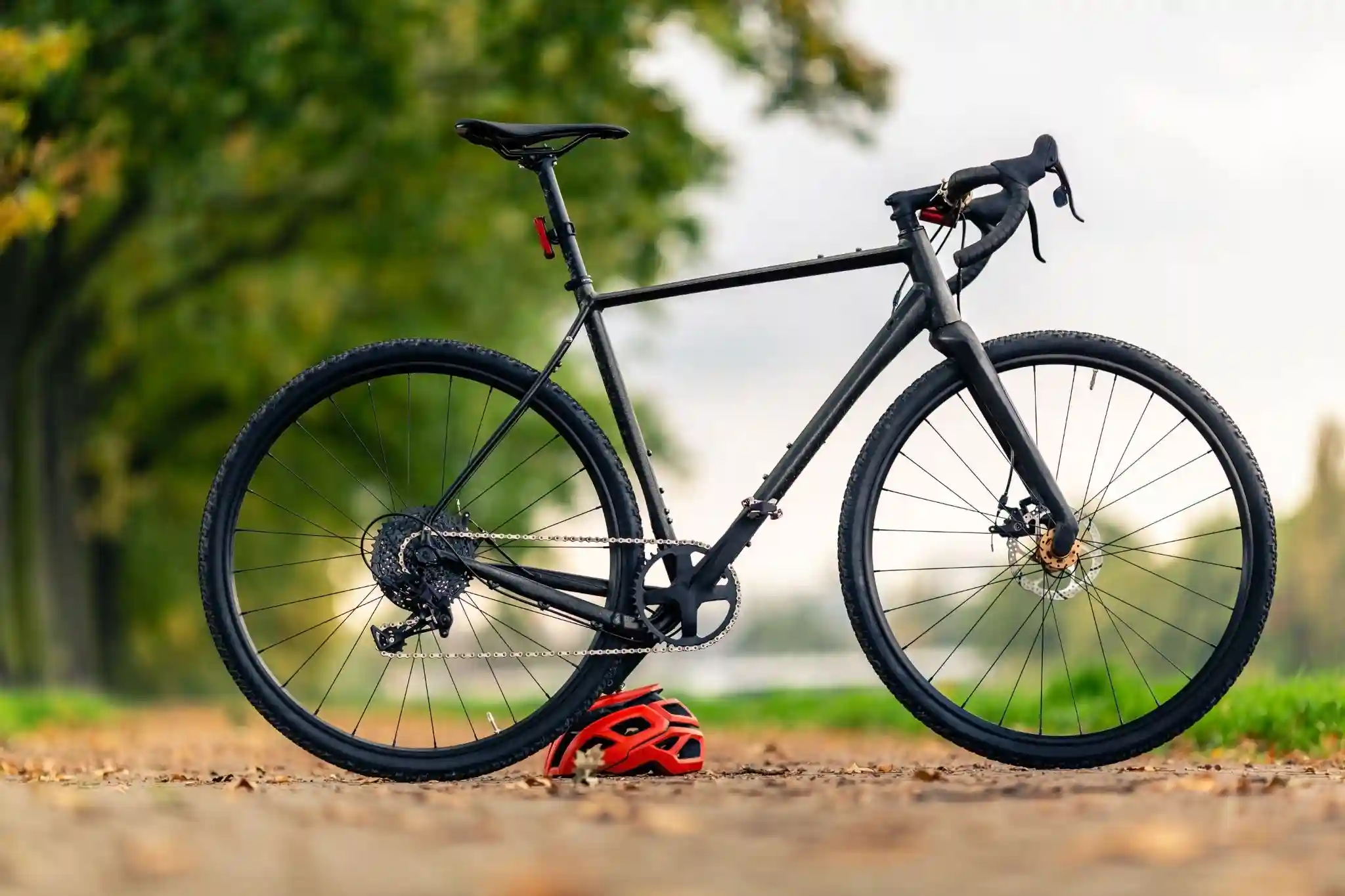
Gravel biking has surged in popularity over the past decade, bridging the gap between road cycling and off-road adventure. With an increasing number of bikes, component options, and brands, choosing the right gravel bike can feel overwhelming. Performance, comfort, and durability all vary widely between models, making informed decision-making essential. A well-crafted gravel bike review provides insight into real-world performance, component reliability, and the suitability of a bike for different riding styles and terrains.
In this guide, we’ll explore what makes a thorough gravel bike review valuable, the key elements to examine, and how reviews help riders make confident, long-term purchasing decisions. From expert testing methodologies to user feedback and comparisons across brands, reviews offer actionable insights for every cyclist.
The Purpose of a Gravel Bike Review
A gravel bike review serves as a comprehensive evaluation of a bike’s capabilities, highlighting strengths, weaknesses, and performance nuances. Reviews save riders time by summarizing what might otherwise require weeks of personal testing. They reduce risk, preventing costly mistakes that result from buying a bike ill-suited for your riding style or terrain.
Beyond saving time, reviews allow for side-by-side comparison of different models and brands. They combine technical analysis from professionals with real-world experiences shared by riders. This dual perspective helps balance marketing claims with authentic performance data, giving buyers a clearer picture of what to expect. Ultimately, reviews function as a roadmap, guiding riders toward bikes that deliver on both quality and value.
What to Look for in a Gravel Bike Review
When reading a gravel bike review, focus on several core areas to ensure the evaluation aligns with your needs.
Evaluation of Performance and Handling
Performance analysis examines how a bike behaves under different conditions. Reviews assess frame geometry, weight, responsiveness, and overall comfort. Handling feedback is critical, especially for riders who navigate mixed surfaces, technical trails, or long-distance routes. Insights into cornering, climbing, and stability help riders understand if the bike matches their skill level and intended use.
Component Analysis
Components significantly impact a bike’s performance and long-term reliability. A thorough review examines the drivetrain, brakes, tires, and wheels. These details reveal how well a bike performs over time and under varied conditions. Component quality also affects maintenance frequency and costs, making this information vital for both casual and dedicated cyclists.
Suitability for Riding Styles and Terrain
Gravel bikes are designed for specific styles and terrains. Reviews categorize bikes for endurance rides, racing, adventure, or bikepacking. They provide guidance on how a bike handles smooth gravel, mixed surfaces, technical trails, or long-distance routes. Understanding this helps riders select a model that aligns with their preferred type of riding.
Benefits of Reading Multiple Gravel Bike Reviews
Relying on a single review can limit perspective. Reading multiple reviews allows patterns to emerge regarding reliability, build quality, and brand consistency. It also highlights discrepancies between marketing materials and real-world performance. Comparing professional insights with user experiences provides a more balanced understanding, ensuring that the chosen bike meets expectations in both controlled tests and everyday riding scenarios.
How Reviews Inform Your Buying Decisions
Gravel bike reviews inform purchase decisions by highlighting high-value models and identifying potential drawbacks. They guide budget allocation by showing which bikes deliver the best features for the price. Additionally, reviews help riders match bikes to their experience level, preferred terrain, and riding goals. By revealing issues that may not be obvious from specifications alone, reviews reduce surprises and increase satisfaction post-purchase.
Expert vs. User-Generated Reviews
Professional Reviews
Professional reviews follow structured testing procedures, often incorporating lab measurements, field trials, and controlled comparisons. These evaluations offer credibility, detailed insights, and consistent benchmarks across bikes. Professionals highlight nuanced performance differences, such as frame compliance, aerodynamics, or component efficiency, which may not be evident to casual riders.
Rider Experiences
User-generated reviews provide anecdotal evidence of real-world performance. They reveal comfort, durability, and component performance over extended use. Riders share insights about long rides, handling in varying weather, and maintenance challenges. While subjective, these experiences complement professional assessments by adding context about everyday ownership and real-life usability.
Key Features Typically Highlighted in Gravel Bike Reviews
Reviews usually focus on several critical features, each influencing performance and rider satisfaction. Frame material and geometry dictate handling, comfort, and responsiveness. Tires, wheels, and suspension affect traction, stability, and ride quality. Drivetrain and brakes determine shifting efficiency and stopping power. Accessories and build options, such as mounts for racks or bottles, influence the bike’s versatility. Evaluating these features collectively allows buyers to gauge how a bike performs across different conditions and rider needs.
Common Mistakes to Avoid When Reading Reviews
One mistake is relying solely on a single review. This can mislead buyers if the perspective is biased or incomplete. Ignoring context, such as rider weight, terrain, or intended use, can also skew expectations. Marketing bias may appear in professionally sponsored content, so it is important to cross-reference multiple sources. By avoiding these pitfalls, readers can make informed, objective decisions based on comprehensive insights.
Using Reviews to Compare Gravel Bike Models
Reviews are essential for comparing bikes across specifications, performance ratings, and pricing tiers. They clarify differences between mid-range and high-end models, helping riders identify options that match their budget and goals. Comparing reviews side by side makes it easier to evaluate trade-offs, such as component quality versus weight or comfort versus speed. This approach ensures informed decisions without relying solely on marketing claims.
Long-Term Benefits of Reading Gravel Bike Reviews
Gravel bike reviews provide insight into long-term ownership considerations. Maintenance expectations, resale value, and upgrade potential are often discussed, helping riders plan for future costs and usage. Reviews reveal which bikes maintain performance over time and which components may require replacement or upgrades. By leveraging this information, riders can choose models that remain enjoyable and reliable for years.
Tips for Maximizing the Value of a Gravel Bike Review
Cross-Referencing Multiple Sources
Reading reviews from professionals, enthusiasts, and community forums allows riders to identify consistent feedback. Repeated praise or criticism across sources signals reliability or potential issues.
Evaluating Technical Data vs. Subjective Opinions
Distinguishing between measurable performance metrics and personal preferences helps balance objective assessment with user experience. Combining both perspectives provides a well-rounded understanding of the bike’s strengths and limitations.
Conclusion
Reading a gravel bike review is an essential step for any cyclist seeking performance, comfort, and long-term value. Reviews provide critical insights into frame design, components, and suitability for different riding styles and terrains. Leveraging both professional assessments and rider experiences allows for balanced decision-making, helping buyers avoid costly mistakes. Comparing multiple reviews clarifies trade-offs and highlights the best options for your needs and budget. By thoughtfully considering performance, comfort, and maintenance expectations, riders can choose a bike that delivers years of reliable, enjoyable, and versatile gravel riding experiences