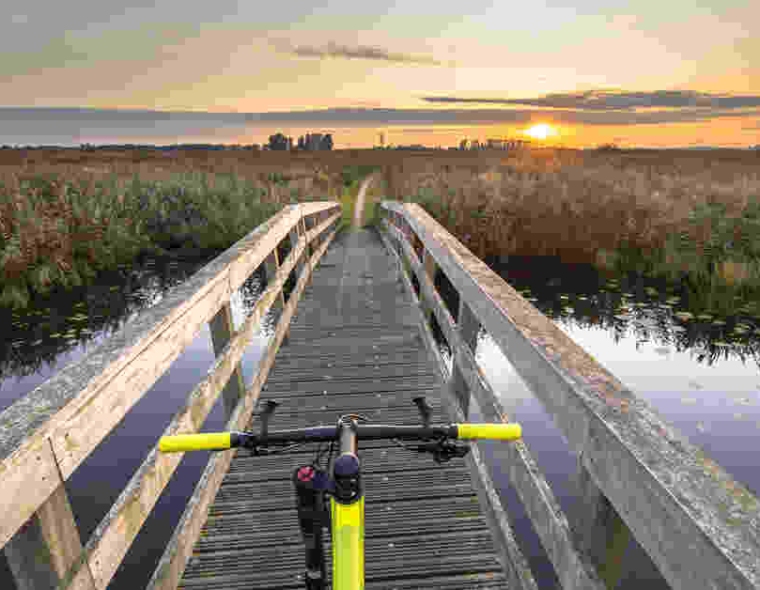
Gravel biking has surged in popularity in recent years, bridging the gap between road cycling and mountain biking. Riders are drawn to the versatility, endurance capability, and adventure potential that gravel bikes offer. Choosing the right bike, however, is not as simple as picking a model off the shelf. Understanding what a gravel bike is and its unique characteristics is essential for cyclists who want a bike that can handle mixed terrain while remaining comfortable and efficient on longer rides. Gravel bikes are designed to balance speed, stability, and adaptability, making them ideal for endurance rides, bikepacking trips, and casual adventure rides alike. In this article, we’ll explore gravel bike features, compare them to road and mountain bikes, examine riding styles, and provide actionable tips to help you choose the best bike for your needs.
Defining a Gravel Bike
A gravel bike is a hybrid cycling machine built to handle a variety of surfaces, including paved roads, smooth gravel paths, and light trails. Unlike road bikes, which are optimized for speed on asphalt, or mountain bikes, which are built for rough trails, gravel bikes are versatile by design. Their geometry combines endurance comfort with responsive handling, allowing riders to go long distances without fatigue. Gravel bikes often feature wider tires, disc brakes, and a slightly relaxed frame geometry, making them stable on loose or uneven surfaces. For riders seeking a single bike capable of commuting, touring, or off-road adventures, gravel bikes are increasingly the go-to choice. Their popularity is growing among those who want the freedom to explore multiple terrains without switching bikes for every ride.
Key Features of a Gravel Bike
Frame Material and Geometry
Gravel bikes are available in a range of frame materials, including carbon fiber, aluminum, steel, and titanium. Carbon frames are lightweight and provide vibration damping, making them ideal for speed-focused riders. Aluminum offers a good balance of weight and durability at a more affordable price. Steel frames provide a smoother ride and exceptional longevity, while titanium combines comfort, strength, and corrosion resistance for high-end models.
The geometry of a gravel bike is designed to balance comfort and performance. Endurance-oriented bikes often have a slightly taller head tube and longer wheelbase to reduce fatigue on long rides. Racing-oriented models tend to be more aggressive, with lower handlebars for aerodynamics and quicker handling. Understanding how geometry affects rider posture, stability, and responsiveness is critical when selecting the right bike.
Tires, Wheels, and Braking Systems
Gravel bikes feature wider tire clearance than road bikes, typically ranging from 35mm to 50mm, to provide traction and comfort on loose surfaces. Many gravel bikes are compatible with tubeless setups, which reduces punctures and allows lower tire pressures for smoother rides. Wheel choice is also important: larger rims and reinforced builds improve stability, while lightweight options increase acceleration and climbing efficiency.
Disc brakes, both mechanical and hydraulic, are standard on gravel bikes. Hydraulic systems provide more consistent stopping power and modulation, which is especially beneficial in wet or steep terrain. Proper braking enhances confidence and control, key factors for riders venturing off paved roads.
Drivetrain and Gear Options
Gearing on gravel bikes is designed to handle varied terrain, from steep climbs to flat gravel tracks. Riders can choose between single or double chainring setups, often paired with wide-range cassettes. Single-chainring systems simplify shifting and reduce weight, while double setups offer a broader range of gears for mixed terrain. A well-selected drivetrain improves control, efficiency, and the ability to maintain speed across diverse surfaces.
Gravel Bikes vs. Road Bikes
Road bikes are optimized for speed on smooth asphalt, with narrow tires, aggressive geometry, and lightweight frames. They are ideal for racing and commuting on paved surfaces but struggle on gravel, dirt paths, and technical terrain. Gravel bikes, by contrast, maintain much of the efficiency of a road bike while adding stability and comfort for uneven surfaces. The wider tires, disc brakes, and endurance geometry make gravel bikes adaptable for riders who want both performance on the road and the ability to explore unpaved routes.
Gravel Bikes vs. Mountain Bikes
Mountain bikes are built to tackle steep, technical trails, offering suspension, robust frames, and wide, knobby tires for maximum traction. They excel in off-road conditions but are heavier, slower, and less efficient on paved surfaces. Gravel bikes, conversely, are lighter and faster, making them suitable for riders who want versatility rather than specialization. While they can handle light trails and rough surfaces, they are not intended for extreme technical riding. Gravel bikes bridge the gap, offering enough toughness for gravel roads without sacrificing speed or endurance.
Riding Styles and Gravel Bike Suitability
Gravel bikes can accommodate a variety of riding styles, from endurance riding to adventure touring, bikepacking, and mixed-terrain commuting. For endurance rides, gravel bikes provide comfort through upright geometry, vibration-damping materials, and stable handling. Adventure and bikepacking setups often include mounts for racks and bags, wider tires for stability, and gearing suited for loaded rides. Riders who switch between high-speed road rides and gravel excursions benefit from the balance gravel bikes offer, combining responsiveness with long-distance comfort.
Terrain Types: Gravel Bikes Excel On
Gravel bikes perform best on a mix of surfaces. Smooth gravel roads, dirt tracks, and light trails are ideal, while paved roads are handled efficiently thanks to the bike’s geometry and tire selection. Wider tires, tubeless setups, and disc brakes enable gravel bikes to tackle loose, wet, or uneven surfaces safely. Compared with road bikes, they provide more stability off pavement. Compared with mountain bikes, they are faster and lighter on mixed terrain. This makes gravel bikes ideal for riders who want one machine capable of exploring multiple environments.
Choosing the Right Gravel Bike for Your Needs
Matching Features to Riding Goals
Selecting a gravel bike begins with defining your priorities. Riders focused on speed should look for carbon frames, aggressive geometry, and lighter wheels. Those prioritizing endurance or comfort may prefer steel or aluminum frames with more relaxed geometry. Adventure riders carrying gear require bikes with wide tire clearance, mounts for racks, and durable components. Understanding how frame material, geometry, tires, and drivetrain contribute to your riding style ensures a better match between rider and bike.
Test Rides and Real-World Evaluation
Test rides are crucial. Evaluating handling, stability, and responsiveness on terrain similar to your regular routes is essential. Pay attention to saddle comfort, handlebar reach, gear shifting, and braking. Experiencing the bike firsthand provides insights that specifications alone cannot convey. Real-world testing helps determine whether a bike meets expectations for both performance and comfort, reducing the likelihood of post-purchase regrets.
Popular Gravel Bike Brands and Models
Mainstream brands such as Specialized, Trek, Cannondale, and Giant offer versatile gravel bikes suitable for multiple riding styles. Specialized’s Diverge series emphasizes comfort and stability for long rides, while Trek’s Checkpoint balances performance and endurance capabilities. Cannondale’s Topstone models feature innovative geometry and lightweight frames, and Giant’s Revolt series provides reliable performance at accessible price points. Boutique or niche brands also offer custom geometry, lightweight materials, or adventure-specific designs. When selecting a bike, consider component quality, warranty, and aftermarket support as part of long-term value.
Long-Term Considerations
Gravel bikes are an investment, so maintenance, component upgrades, and part availability should factor into purchasing decisions. Durable frames and components reduce long-term costs, while brands with strong support networks offer peace of mind. Resale value is another consideration; high-quality gravel bikes tend to retain value, especially from reputable brands. Riders should also anticipate evolving needs, such as carrying gear for bikepacking or adjusting tires for different terrain, to ensure their bike remains suitable for future adventures.
FAQs
Q1: How does a gravel bike differ from a hybrid bike?
A gravel bike is built for endurance and mixed terrain, with disc brakes, wider tires, and geometry designed for comfort at higher speeds, unlike most hybrids.
Q2: Can I use a gravel bike for mountain biking?
Gravel bikes can handle light trails and rough paths, but they are not designed for technical mountain biking with steep drops or extreme obstacles.
Q3: Are gravel bikes suitable for long road rides?
Yes, gravel bikes are lighter and more efficient than mountain bikes, offering comfort and stability for extended rides while still handling paved roads effectively.
Q4: What tire width is best for a gravel bike?
Tires between 35mm and 50mm offer an ideal balance of traction, comfort, and speed, with wider tires preferred for loose or rough surfaces.
Q5: How should I choose between aluminum, steel, or carbon gravel bikes?
Aluminum offers durability and affordability, steel provides comfort and longevity, and carbon is lightweight with vibration-damping benefits for high-performance riders.