Gravel biking has surged in popularity, attracting cyclists who crave adventure beyond paved roads. These versatile machines are designed to handle various terrains, from rugged trails to smooth asphalt. At the heart of any gravel bike lies its drivetrain, consisting of gears and groupsets that determine performance and efficiency. Understanding how gravel bike gears, drivetrains, and groupsets compare is crucial for choosing the right setup for your cycling needs. This guide will illuminate the differences and help you make an informed decision to enhance your riding experience.
The Basics of Gravel Bike Groupsets
What is a Groupset?
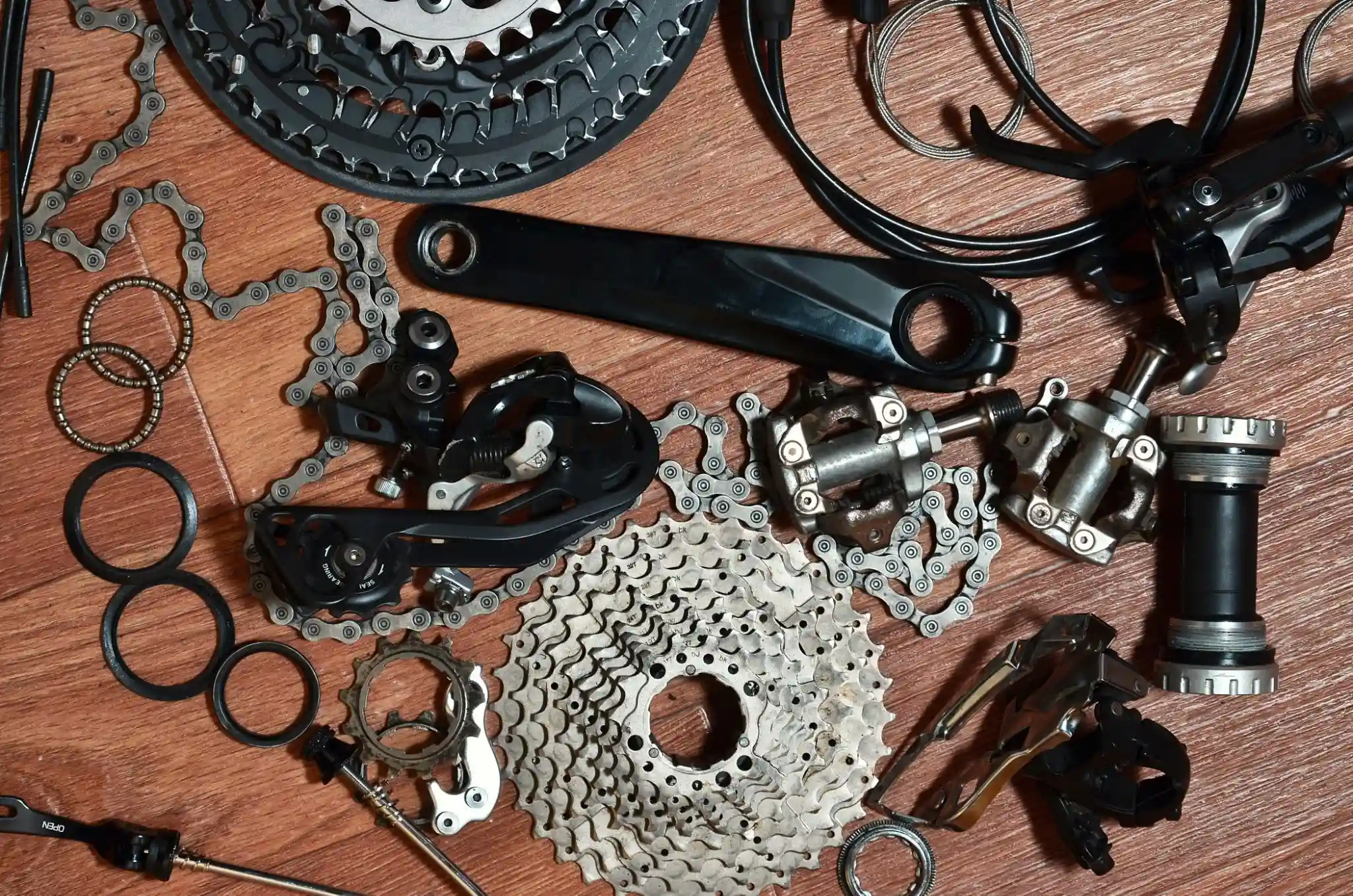
A groupset is a collection of components that make up the bike’s drivetrain. It includes the shifters, derailleurs, chain, crankset, and brakes. Each component works harmoniously to deliver smooth shifting and reliable power transfer. In gravel biking, where conditions can vary significantly, a well-matched groupset is essential for optimal performance.
Key Components of a Gravel Bike Groupset
When exploring gravel bike groupsets, it’s important to understand the key components. The shifters are how you control the bike’s gears, allowing for quick adjustments based on terrain. The derailleurs move the chain between gears, ensuring smooth transitions. The crankset provides the power to propel the bike forward, and the brakes ensure stopping power is reliable. Each component’s quality and compatibility significantly affect the bike’s performance.
Types of Drivetrains in Gravel Bikes
Mechanical vs. Electronic Drivetrains
Gravel bikes offer two primary types of drivetrains: mechanical and electronic. Mechanical drivetrains rely on cables and levers to shift gears, providing a straightforward and reliable option. They are often more affordable and easier to maintain, making them a popular choice among entry-level riders.
On the other hand, electronic drivetrains utilize battery-powered shifters that provide precise and instantaneous gear changes. This technology enhances the overall riding experience, especially in challenging conditions where split-second decisions matter. While they tend to be more expensive, the benefits in performance and convenience can be worth the investment for serious cyclists.
Single vs. Double Chainring Configurations
The configuration of chainrings plays a critical role in gearing options. Single chainring setups, known as 1x systems, have become increasingly popular in gravel biking. They simplify shifting, reduce weight, and provide a cleaner look. This configuration is ideal for riders who prioritize ease of use and reliability.
Conversely, double chainring setups offer a wider gear range, catering to cyclists who tackle diverse terrains and require more gearing options. While they do add complexity, they can be invaluable for those navigating steep climbs or long descents. Evaluating your riding style and the terrain you plan to conquer will help determine which configuration suits you best.
Comparing Popular Gravel Bike Groupsets
Shimano GRX Series
Shimano’s GRX series is designed specifically for gravel riding, making it a go-to choice for many enthusiasts. With a focus on durability and performance, the GRX groupsets provide excellent shifting in various conditions. The series includes options for both 1x and 2x setups, accommodating different rider preferences and styles. The GRX components are built to withstand the rigors of gravel riding, ensuring longevity and reliability.
SRAM Rival and Force Groupsets
SRAM offers the Rival and Force groupsets, both of which are popular among gravel cyclists. The Rival groupset provides a balance of performance and affordability, making it a solid choice for those seeking quality without breaking the bank. Its precise shifting and robust construction ensure a satisfying ride.
The Force groupset, on the other hand, is SRAM’s high-end option for gravel biking. With advanced technology and lightweight materials, it delivers exceptional performance and responsiveness. Cyclists who prioritize speed and efficiency will appreciate the benefits of upgrading to the Force groupset for their gravel adventures.
Campagnolo Ekar Groupset
Campagnolo has entered the gravel bike market with the Ekar groupset, which is designed to provide high performance and versatility. This 1x groupset features a wide gear range, allowing riders to tackle steep climbs and fast descents with ease. Ekar’s components are known for their quality and precision, making this groupset a compelling option for serious gravel riders looking for an edge in performance.
Performance Differences Among Groupsets
Shifting Performance and Speed
The quality of shifting is a critical factor when comparing gravel bike groupsets. High-end groupsets typically offer smoother and quicker shifts, allowing riders to maintain momentum and focus on the trail ahead. With advancements in technology, such as automatic trim and synchronized shifting, some electronic systems can shift gears more efficiently than mechanical options. However, many riders appreciate the tactile feedback and reliability of mechanical systems, especially in remote areas where repairs may be necessary.
Weight Considerations and Impact on Riding
Weight is another essential consideration in gravel bike performance. Lighter groupsets can improve climbing efficiency and overall speed, making them favored among competitive cyclists. However, it’s essential to strike a balance between weight and durability. While high-end materials may reduce weight, they should not compromise the groupset’s ability to withstand the rigors of gravel riding.
Choosing the Right Gearing for Your Riding Style
Analyzing Terrain and Riding Conditions
Your choice of gearing should align with the terrain you intend to conquer. If you frequently ride on steep hills or challenging trails, a wider gear range will prove beneficial. Conversely, if your rides primarily consist of flat roads and moderate terrains, a simpler gearing setup may suffice.
Understanding Gear Ratios and Their Importance
Gear ratios play a crucial role in determining how easily you can pedal at different speeds. A lower gear ratio makes it easier to climb hills, while a higher ratio allows for faster speeds on flat terrain. Understanding how gear ratios work will help you select the right groupset for your riding style and the demands of your typical routes.
Maintenance and Longevity of Gravel Bike Drivetrains
Regular Maintenance Tips for Longevity
To ensure your gravel bike drivetrain performs optimally throughout its lifespan, regular maintenance is essential. Cleaning the chain and drivetrain components, lubricating moving parts, and checking for wear and tear will help keep your bike in top condition. Additionally, proper storage and protection from the elements can significantly extend the life of your groupset.
Upgrading Components for Better Performance
As your riding style evolves, you may find that upgrading certain components enhances your gravel biking experience. Whether it’s swapping out your chain for a lighter model or investing in a new derailleur, thoughtful upgrades can yield noticeable performance improvements. Consulting with a knowledgeable bike shop can provide valuable insights into which upgrades will best suit your needs.
Conclusion
Choosing the right gravel bike groupset involves understanding the various options available and how they align with your riding preferences. From Shimano’s GRX series to SRAM’s Rival and Force, and Campagnolo’s Ekar, each groupset offers unique benefits and features. Evaluating factors such as drivetrain types, gear configurations, and performance differences will guide you to the perfect setup for your adventures.
FAQs
What is a gravel bike groupset?
A gravel bike groupset is the collection of components that make up the bike’s drivetrain, including shifters, derailleurs, chain, crankset, and brakes.
How do I choose between mechanical and electronic drivetrains?
Mechanical drivetrains are reliable and easier to maintain, while electronic drivetrains offer precise shifting and advanced features. Consider your riding style and preferences.
What are the benefits of single versus double chainring setups?
Single chainrings simplify shifting and reduce weight, while double chainrings provide a wider gear range for tackling diverse terrains.
How can I maintain my gravel bike drivetrain?
Regularly clean your chain and components, lubricate moving parts, and check for wear to ensure optimal performance and longevity.
What should I consider when upgrading my groupset?
Evaluate your riding style, terrain, and performance goals. Consult with experts to identify which components will best enhance your gravel biking experience.