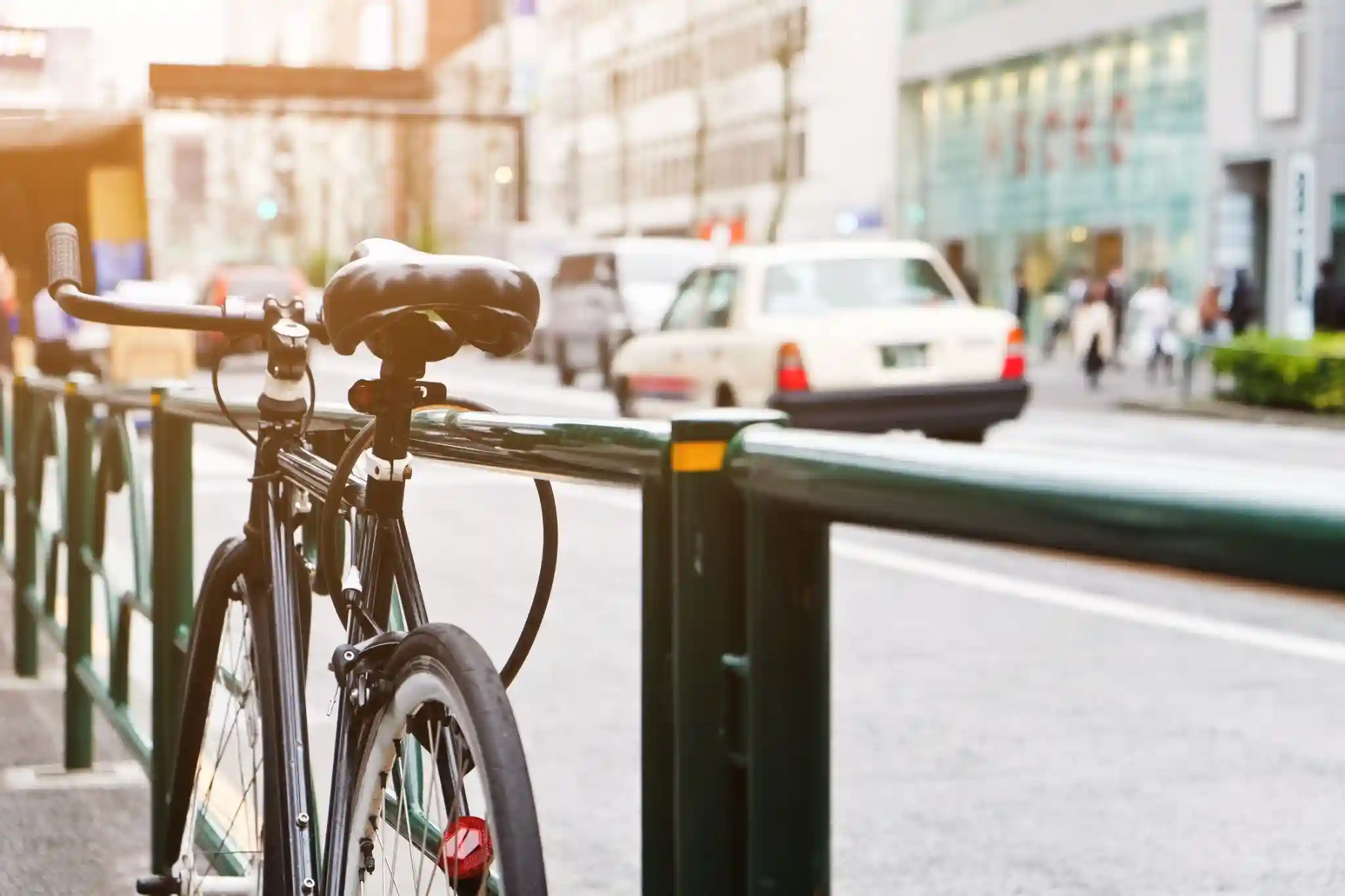
Cycling in the city is more popular than ever. With the rise of urban cycling, more people are realizing the joys of riding a bike to work, school, or just for fun. However, city riding comes with its own set of challenges. Traffic, pedestrians, and unpredictable road conditions can make urban cycling daunting, especially for beginners. That’s why understanding safety is crucial for every city rider.
In this blog, we will explore essential safety cycling tips specifically designed for urban riders. Whether you’re new to cycling or a seasoned pro looking to refresh your skills, these tips will help you navigate the streets safely and confidently.
Understanding Urban Cycling Challenges
Common Hazards in City Environments
When cycling in the city, you face many hazards. Cars, buses, and trucks share the road, often making it feel crowded. Potholes, construction zones, and poorly maintained roads can pose additional risks. Additionally, pedestrians cross the streets without warning, and cyclists must always stay alert.
Being aware of these challenges is the first step to staying safe. Recognize that urban environments can change rapidly. A quiet street can suddenly become busy, or a green light can turn red with little warning.
The Importance of Awareness
Awareness is your best friend when cycling in the city. Keep your head up and your eyes peeled. Look ahead to anticipate obstacles and potential hazards. This way, you can react quickly and avoid dangerous situations.
Listening to your surroundings is also crucial. Use your ears to help you gauge the traffic around you. Avoid wearing headphones while riding, as they can distract you from the sounds of oncoming vehicles or pedestrians.
Essential Safety Gear for Urban Cyclists
Protective Equipment
Wearing the right gear is vital for your safety. A properly fitted helmet is non-negotiable. It protects your head in case of an accident and is often required by law. Choose a helmet that meets safety standards and fits snugly without being uncomfortable.
In addition to a helmet, consider wearing gloves and padded shorts. Gloves can help you maintain a better grip on the handlebars and protect your hands in case of a fall. Padded shorts can make longer rides much more comfortable, reducing chafing and soreness.
Visibility and Lights
Visibility is critical when cycling in urban areas. To ensure you are seen by drivers, wear bright or reflective clothing. This makes you more noticeable, especially in low-light conditions.
Lights are also essential for city riding. Equip your bike with front and rear lights, and consider adding reflectors. Front lights should be bright enough to illuminate the road ahead, while rear lights help others see you from behind.
Using lights and reflective gear significantly increases your safety, especially during early morning or evening rides.
Mastering Safe Riding Techniques
Riding in Traffic
Navigating busy streets can be intimidating. Position yourself confidently in the lane. Stay visible and avoid riding too close to parked cars, as doors can open unexpectedly. Use your bike’s lane markings as a guide and stay within designated cycling areas whenever possible.
Maintain a steady pace and don’t weave in and out of traffic. This can confuse drivers and put you at risk. Instead, keep a straight line and signal your intentions clearly.
Using Hand Signals
Communication is key when riding in traffic. Use hand signals to indicate your intentions to drivers and other cyclists. For a left turn, extend your left arm straight out. For a right turn, extend your right arm out. To stop, lower your left arm with your palm facing down.
Signaling not only helps keep you safe but also fosters a sense of cooperation among all road users. By clearly indicating your moves, you enhance your visibility and encourage drivers to be more cautious around you.
Understanding Traffic Rules and Regulations
Local Cycling Laws
Familiarizing yourself with local cycling laws is essential. Each city has specific regulations that cyclists must follow. These may include where you can ride, speed limits, and rules regarding bike lanes.
Understanding these laws helps you ride legally and safely. It protects you from potential fines and ensures that you are contributing to a safer road environment for everyone.
Interacting with Other Road Users
Sharing the road is a vital aspect of urban cycling. Always be courteous to other road users, including drivers, pedestrians, and fellow cyclists. A simple nod or wave can go a long way in promoting a friendly atmosphere on the road.
When approaching a crosswalk, be prepared to stop for pedestrians. They have the right of way, and being courteous can prevent accidents. Likewise, if a driver is waiting for you to pass, acknowledge their patience with a wave.
Planning Your Urban Routes
Choosing the Right Paths
Planning your route effectively can make a significant difference in your safety and enjoyment while cycling. Whenever possible, choose bike lanes or paths specifically designed for cyclists. These routes are often safer and provide a more pleasant riding experience.
Utilize maps or apps that highlight bike-friendly routes. Many cities have invested in cycling infrastructure, and knowing the safest paths can help you avoid high-traffic areas.
Avoiding High-Risk Areas
Familiarize yourself with your city’s high-risk areas. These may include busy intersections, roundabouts, or areas known for heavy traffic. Avoiding these zones when possible can reduce your chances of encountering dangerous situations.
When you must pass through high-risk areas, approach with caution. Slow down, observe traffic, and be prepared to stop if necessary.
Maintenance and Care for Your Bike
Regular Maintenance Checks
Keeping your bike in good condition is essential for safety. Regular maintenance checks can prevent mechanical failures that could lead to accidents. Before each ride, check your tires for proper inflation and look for any visible damage.
Inspect your brakes to ensure they are functioning effectively. If you notice any issues, address them immediately. A well-maintained bike not only rides better but also keeps you safer.
Building Confidence as an Urban Cyclist
Starting Slow and Gradual Progression
If you’re new to urban cycling, it’s essential to start slow. Begin with less busy routes and gradually expose yourself to more challenging environments. This approach builds your confidence and helps you adapt to the dynamics of city riding.
Joining a Cycling Community
Connecting with other cyclists can enhance your experience and safety. Look for local cycling groups or clubs that welcome riders of all skill levels. These communities often offer group rides, which can be a fantastic way to learn from experienced cyclists.
Riding with others not only provides a sense of camaraderie but also increases your visibility on the road. Group rides can help build your confidence and make cycling in the city feel less intimidating.
Conclusion
Cycling in the city offers a unique blend of excitement and challenges. By following these essential safety cycling tips, you can navigate urban environments with confidence. Always prioritize safety, wear the right gear, and stay aware of your surroundings.
With practice and the right approach, you can enjoy the freedom and joy that cycling brings. Remember, every ride is an opportunity to improve your skills and explore your city. Share your own experiences and tips in the comments below let’s keep each other safe on the roads!